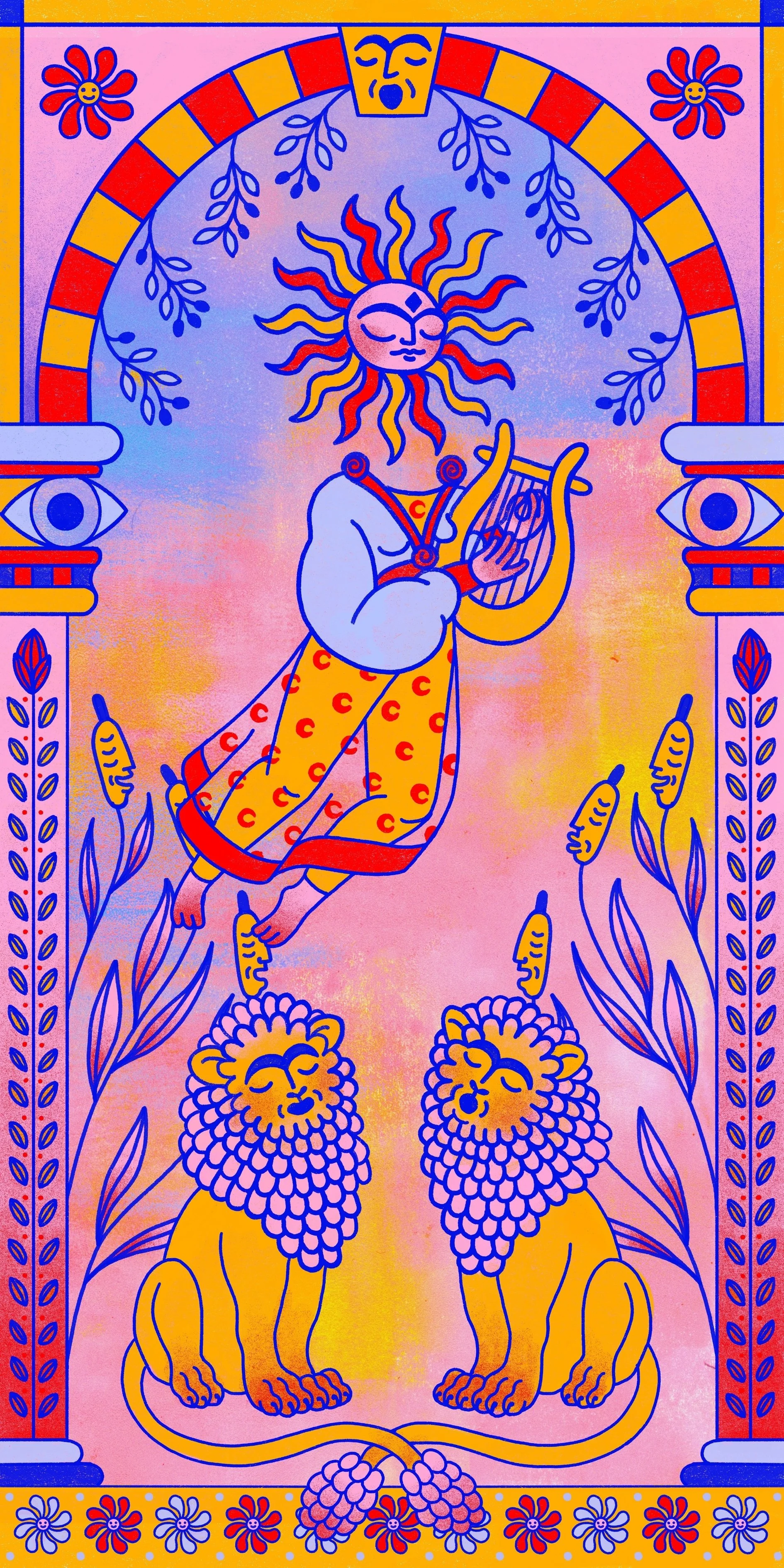
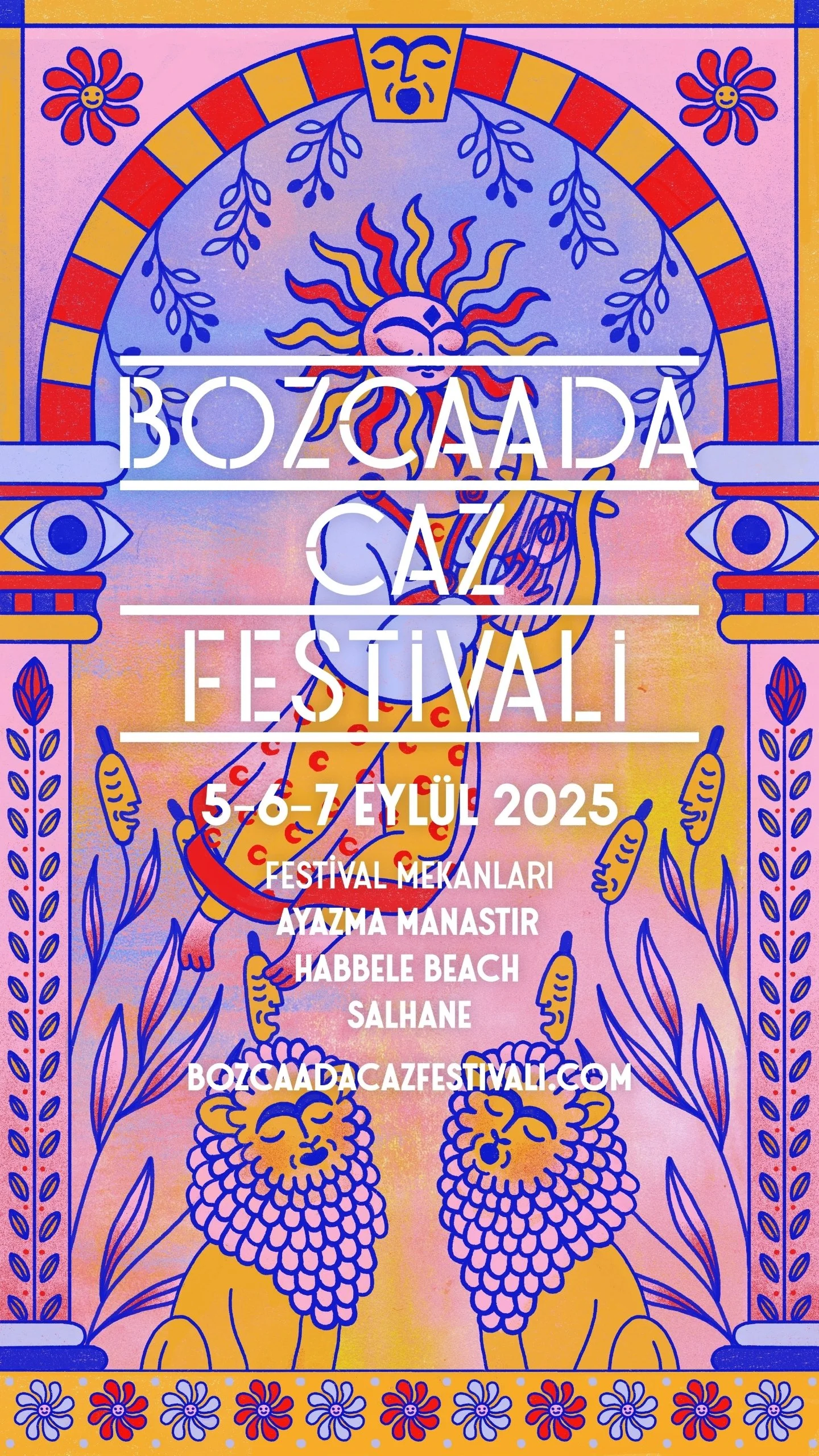
Cybele Playing the Lyre

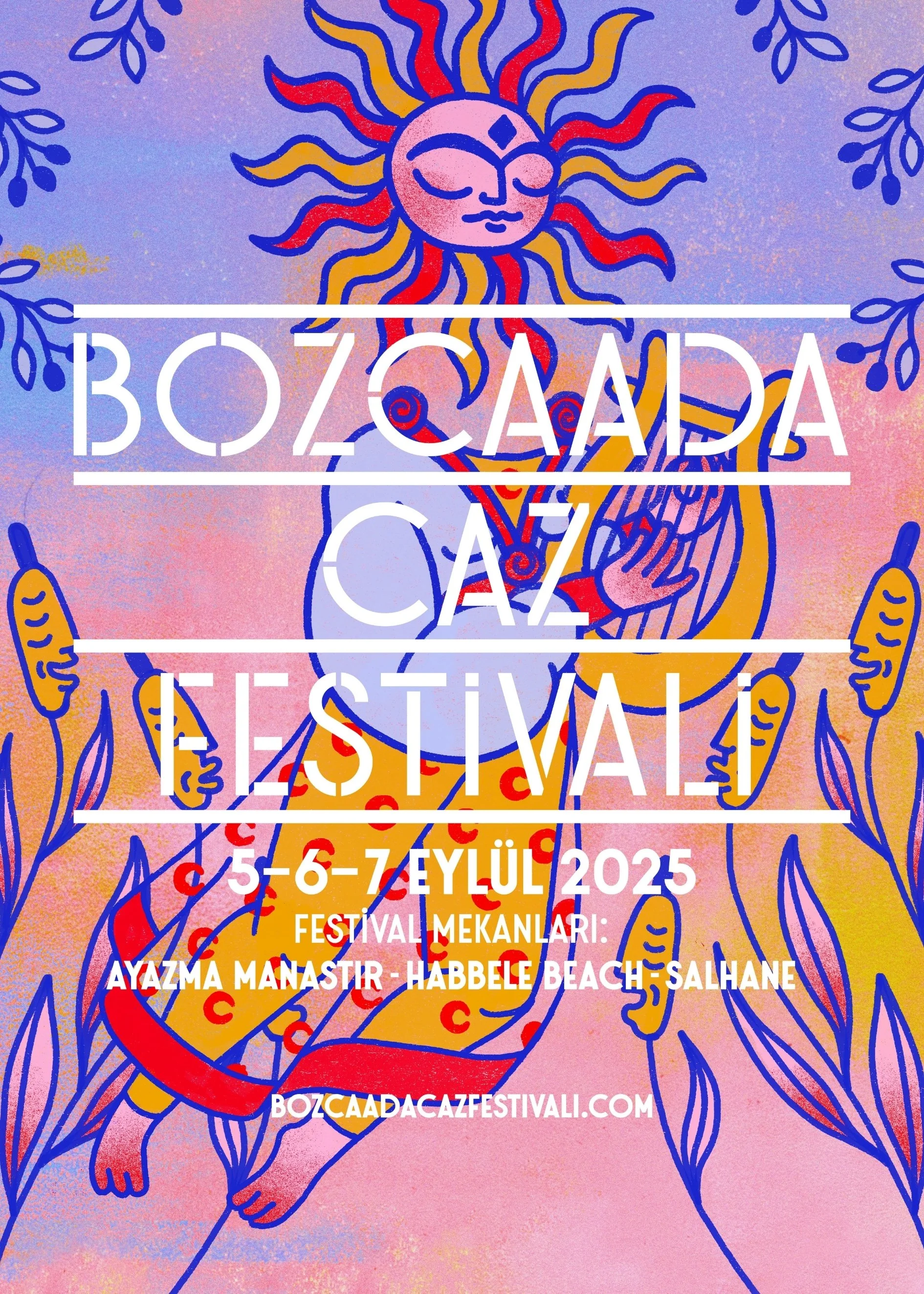
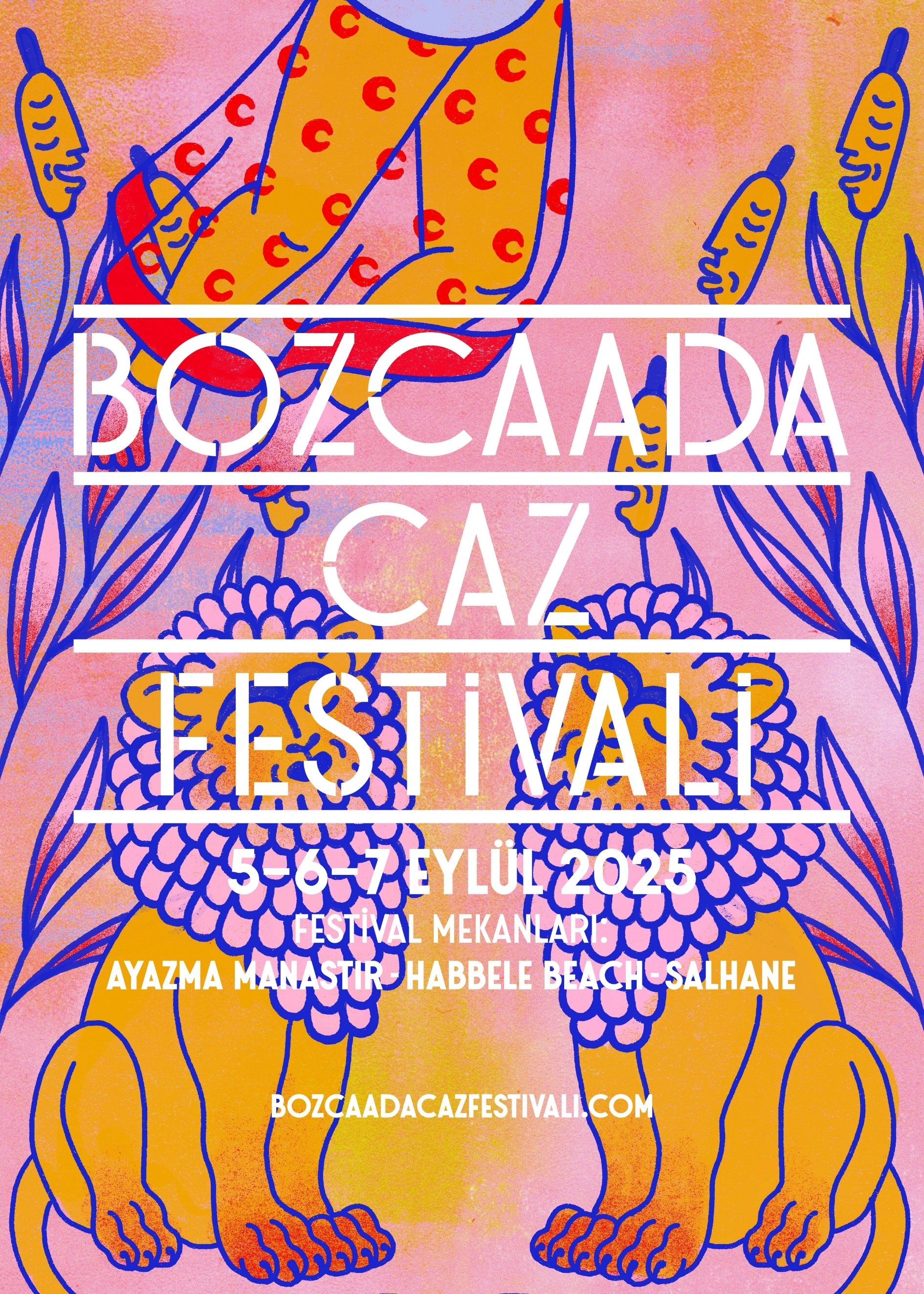
The Cult of Kybele, the Anatolian mother goddess, was dominant in Bozcaada. She is traditionally shown with two lions, playing the tef, but a recently discovered sculpture on the island portrays her with a lyre. Here, Kybele plays her lyre as reeds and lions sing along and olive branches dance in harmony. Blues evoke the sea of Bozcaada; yellows and reds stand for the energy of the island’s summer and the warmth of Kybele’s spirit.
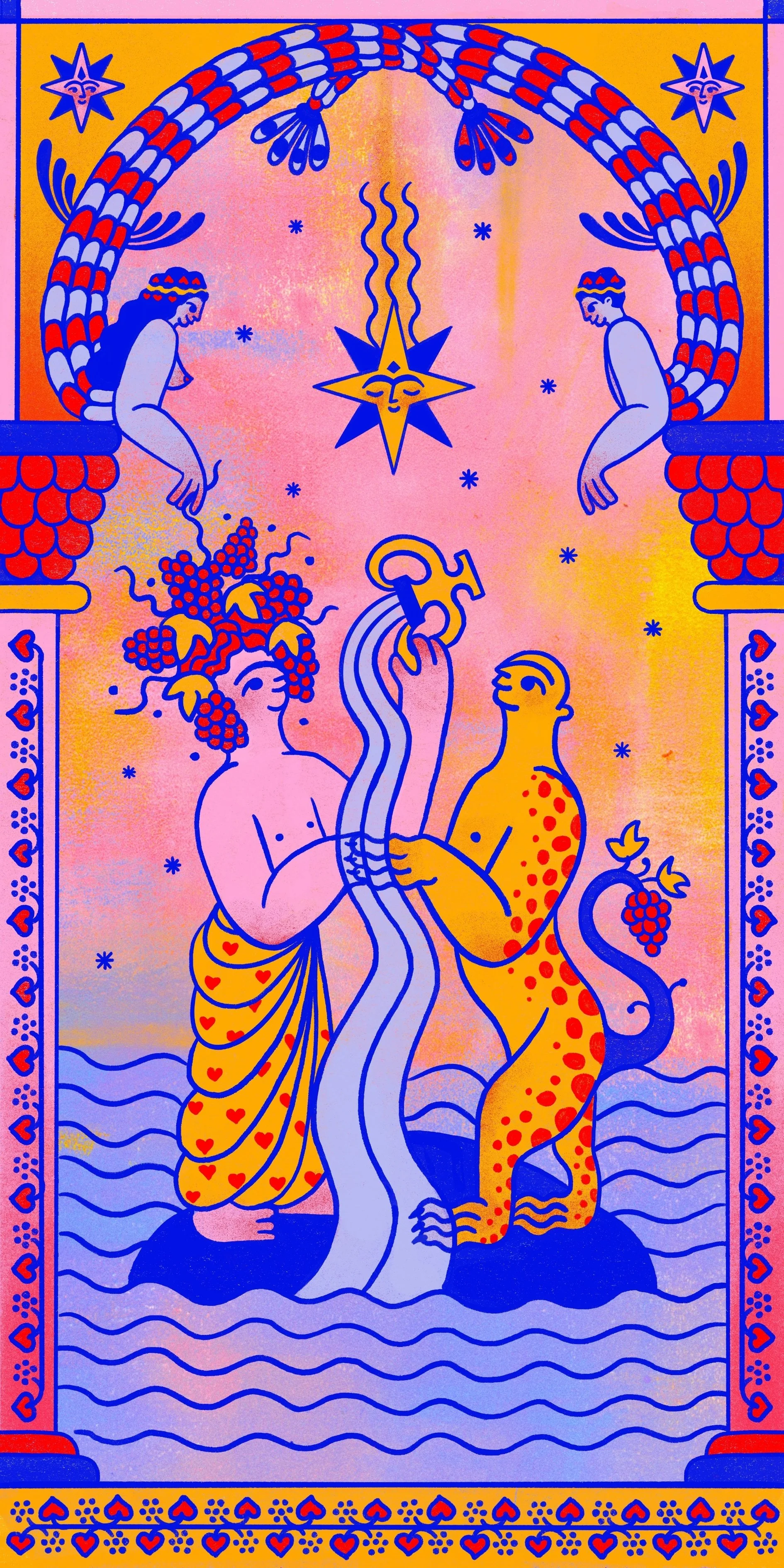
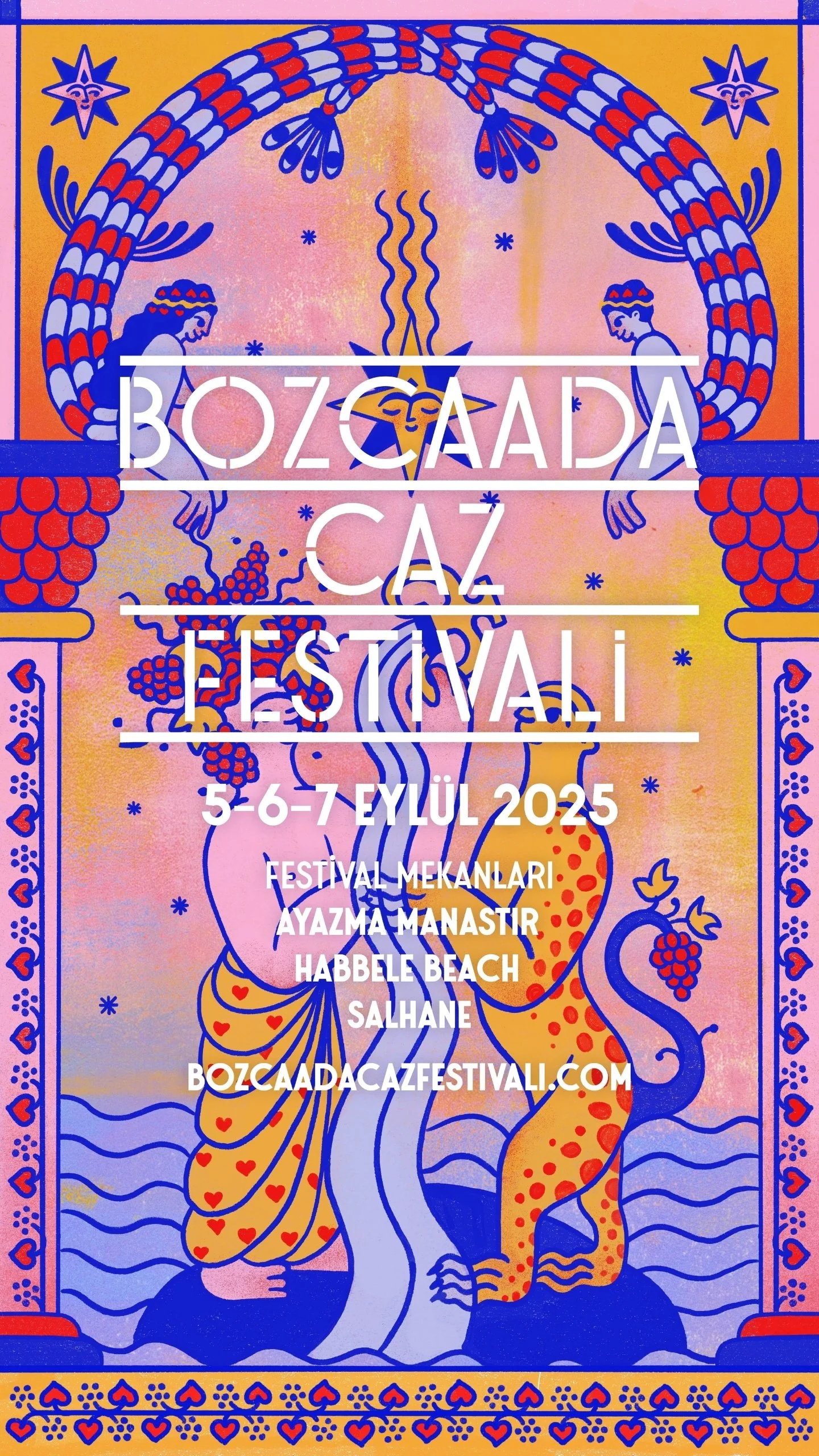
Dionysus and the Leopard

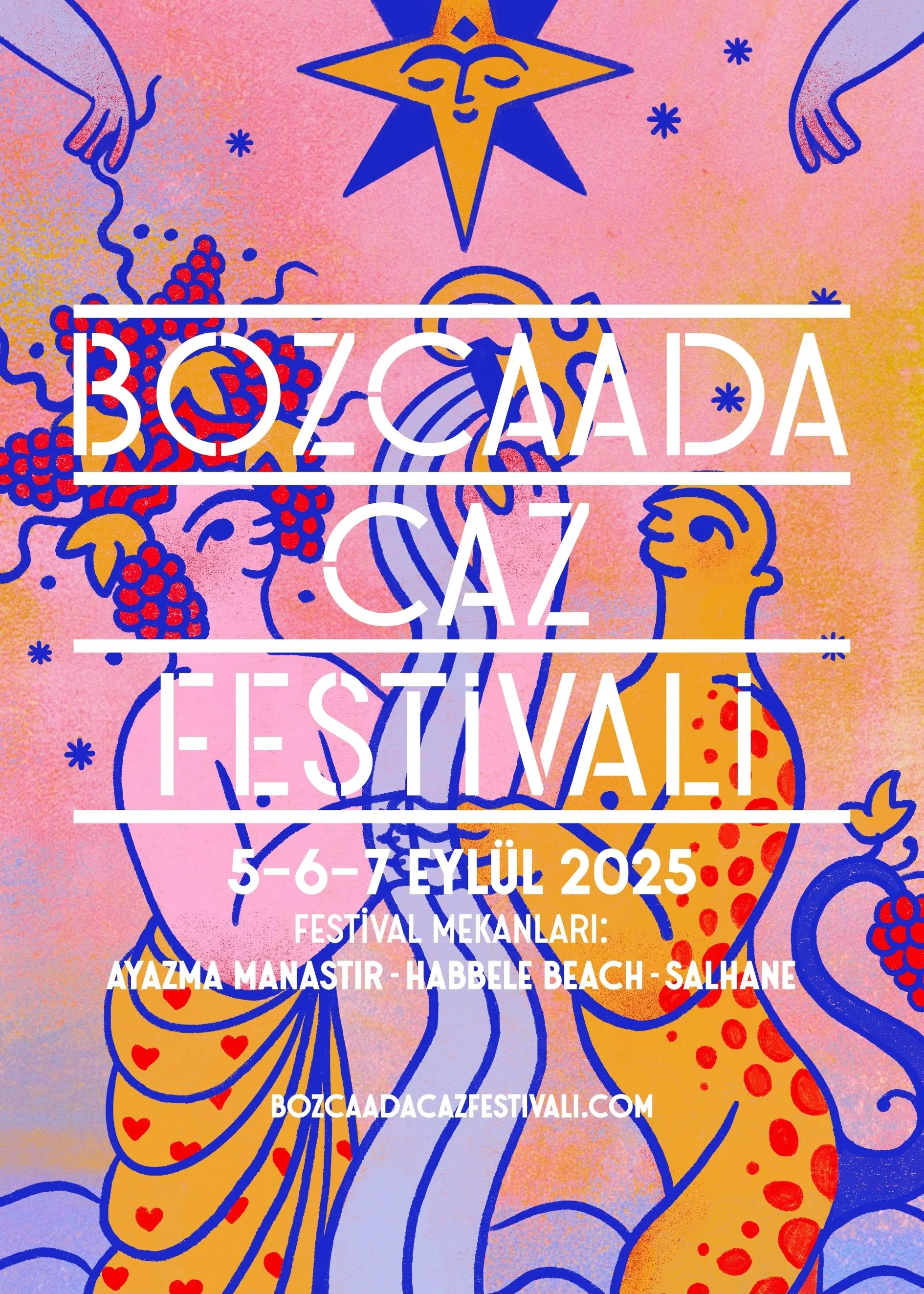
Dionysus appears with his tiger, not as master and beast but as equals, a posthumanist take on a familiar pairing. The Cult of Dionysus was dominant in Bozcaada. As the god of wine, festivity, and ecstasy, he frees his followers from self-conscious fear and societal constraint. Grapevine motifs inspired by ancient Greek vases build the composition, with massive grapes as column capitals. His wine flows into the sea of Bozcaada, which becomes the center of the piece: boundless and ever-changing, like Dionysus himself, who embodies fluidity, chaos, and transformation.
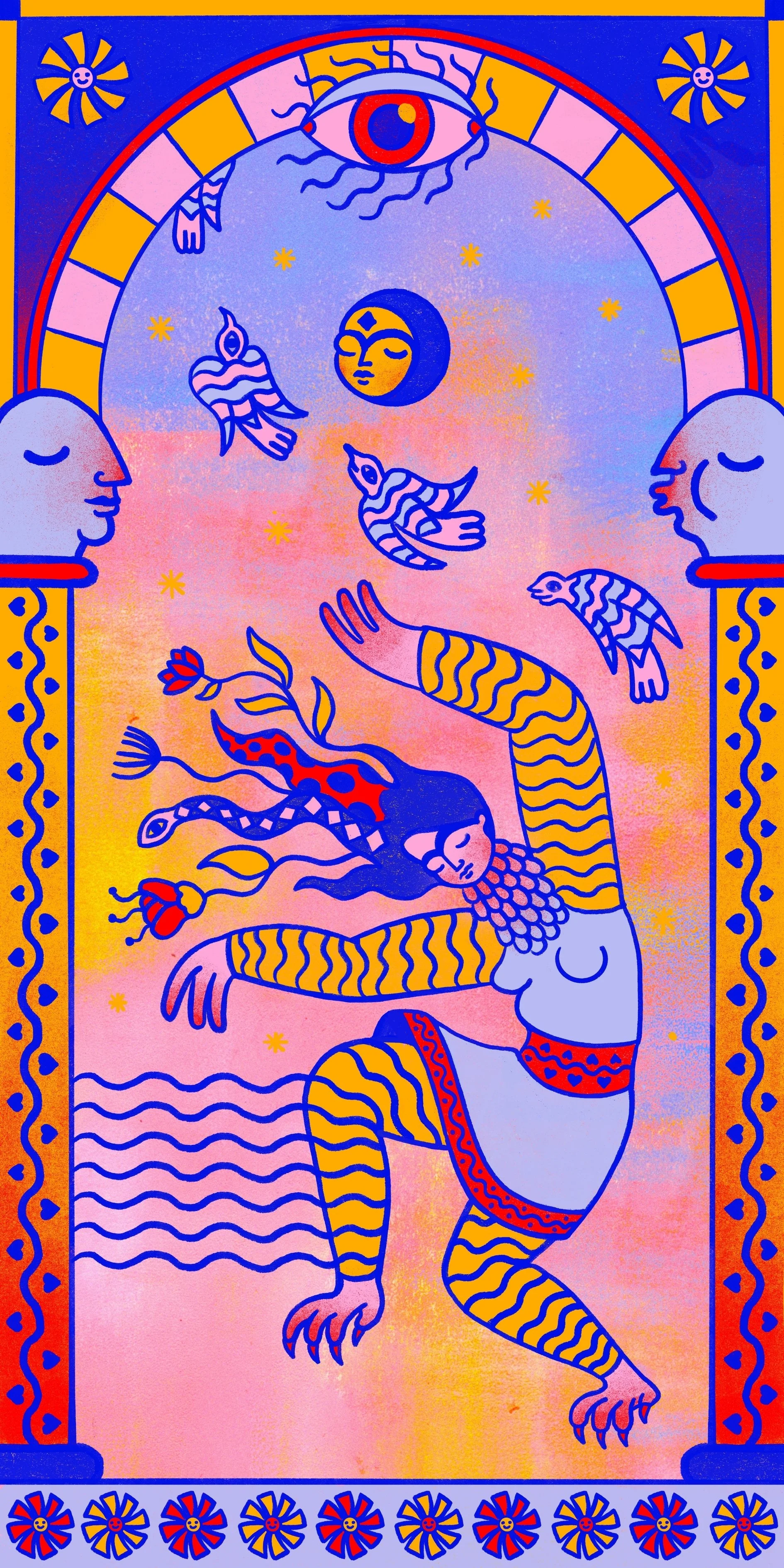
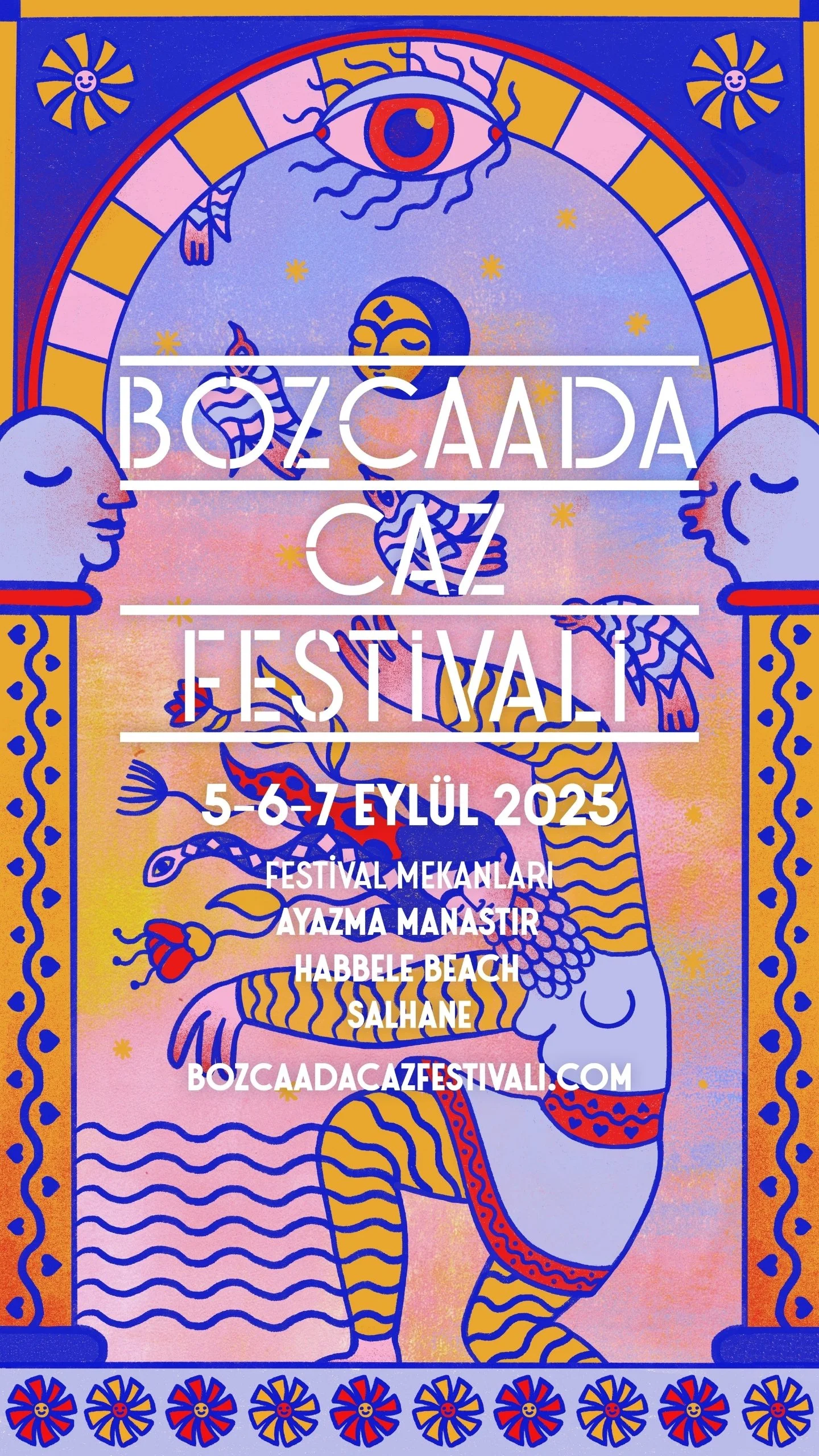
Oklasma Dancer
Oklasma Dancer

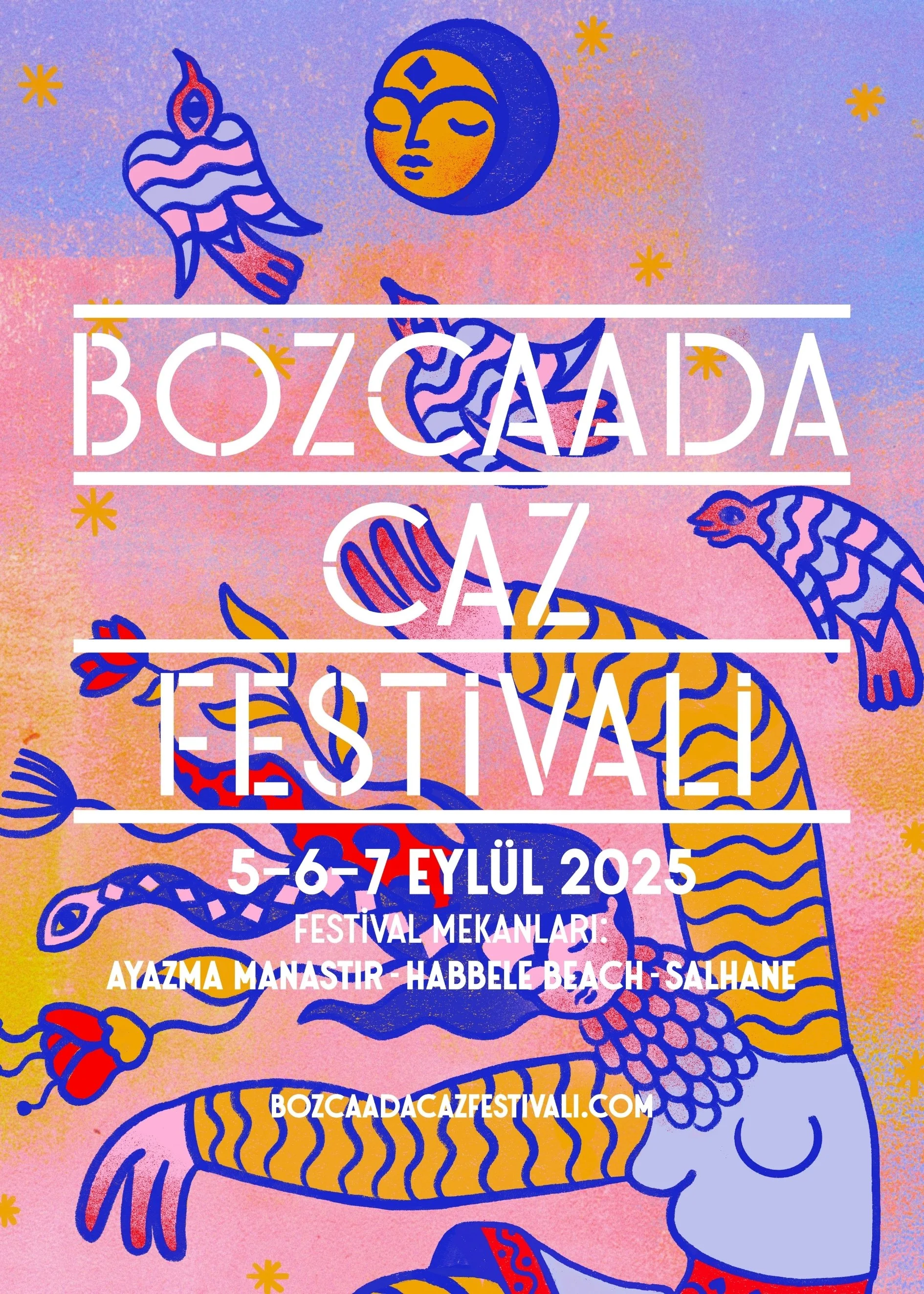
A Phrygian woman performs the Oclasma dance, an ancient ritual where movement and music were intertwined with devotion. In antiquity, dance was a sacred act, a way to reach the divine and become one with it. As she dances, she merges with nature: her hair becomes plants and animals, and her body dissolves into the wind of the island. Windmill motifs frame the pattern, and vertical lines stand for grapevines, a use of pattern that recalls ancient Greek vases.
1.jpg
2.jpg
3.jpg
7.jpg
4.jpg
5.jpg
6.jpg
Cybele Playing the Lyre
Dionysus and the Leopard
Oklasma Dancer
1.jpg
2.jpg
3.jpg
7.jpg
4.jpg
5.jpg
6.jpg
Cybele Playing the Lyre

The Cult of Kybele, the Anatolian mother goddess, was dominant in Bozcaada. She is traditionally shown with two lions, playing the tef, but a recently discovered sculpture on the island portrays her with a lyre. Here, Kybele plays her lyre as reeds and lions sing along and olive branches dance in harmony. Blues evoke the sea of Bozcaada; yellows and reds stand for the energy of the island’s summer and the warmth of Kybele’s spirit.

Dionysus and the Leopard

Dionysus appears with his tiger, not as master and beast but as equals, a posthumanist take on a familiar pairing. The Cult of Dionysus was dominant in Bozcaada. As the god of wine, festivity, and ecstasy, he frees his followers from self-conscious fear and societal constraint. Grapevine motifs inspired by ancient Greek vases build the composition, with massive grapes as column capitals. His wine flows into the sea of Bozcaada, which becomes the center of the piece: boundless and ever-changing, like Dionysus himself, who embodies fluidity, chaos, and transformation.

Oklasma Dancer

A Phrygian woman performs the Oclasma dance, an ancient ritual where movement and music were intertwined with devotion. In antiquity, dance was a sacred act, a way to reach the divine and become one with it. As she dances, she merges with nature: her hair becomes plants and animals, and her body dissolves into the wind of the island. Windmill motifs frame the pattern, and vertical lines stand for grapevines, a use of pattern that recalls ancient Greek vases.
show thumbnails